CALL US 770-248-9089

Why Choose Cartoning Machines for Global Packaging Needs?

Across global packaging lines, product protection depends on more than attractive cartons. Cartoning machines bring repeatable folding, filling, and closing to demanding production environments. They serve food, pharmaceutical, personal care, and household product manufacturers. Each sector requires different controls. A carton line may run beside stainless-steel conveyors, vision cameras, and date-code printers. Small changes matter. A loose flap can stop shipping. A damaged carton can weaken customer trust. This article explores why cartoning machines remain practical choices for international packaging needs.

Their value begins with consistency. Operators can set carton dimensions, product spacing, and closing pressure with greater precision. Modern systems may support serialization, reject stations, and tool-free changeovers. These features help plants serve different markets without rebuilding an entire line. Yet automation is not magic. Poor carton quality, weak maintenance, or incorrect setup can still create jams. Downtime is expensive. In real production, a five-minute adjustment may prevent an hour of lost output. Experienced teams verify seals, coding, safety guards, and product counts before full-speed operation. Reliable results require disciplined procedures and continuous review.

Global buyers also expect equipment suppliers to address hygiene, worker safety, documentation, and local standards. Reputable manufacturers provide tested designs, service guidance, and clear technical specifications. Independent validation remains important. Trust needs evidence. Claims should be checked against operating conditions, not copied from a brochure. Energy use, spare-part access, training, and after-sales support deserve equal attention. A machine that performs well in one factory may need changes elsewhere. That limitation is easy to overlook. By examining performance, flexibility, compliance, and lifecycle support, this guide offers a grounded view of cartoning machines and their role in dependable packaging operations worldwide.
Why Choose Cartoning Machines for Global Packaging Needs?

What Are Cartoning Machines and How Do They Work?

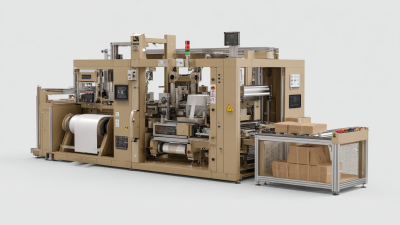
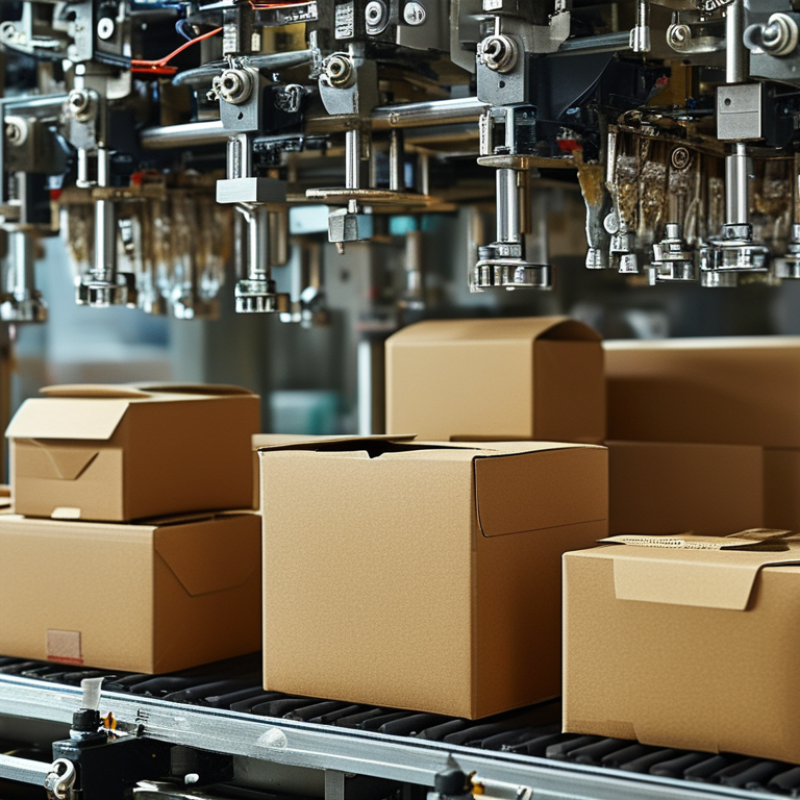
Cartoning machines are automated systems that form, fill, and close cartons. They support many global packaging needs through controlled, repeatable operations. In a typical line, flat carton blanks enter a magazine. A pickup mechanism opens each blank into shape. Belts, pushers, or robotic arms then place products inside. Sensors check carton presence, product position, and basic sealing conditions.

After loading, folding rails guide the carton flaps into place. Glue, tuck-in tabs, or both can secure the package. Some machines also print batch information or inspect codes during production. Operators usually set carton dimensions, product timing, and conveyor speed. Changeover matters. A poorly adjusted setting can damage cartons or create empty packages. Packaging engineers often test several samples before approving full production.

For global applications, machines may require different electrical systems, language interfaces, guarding methods, and documentation. Local requirements still need careful verification. Qualified technicians should validate safety functions and product handling before operation. From practical experience, preventive cleaning and routine sensor checks reduce avoidable stoppages. Still, automation has limits. A sensor may detect a carton, but not every quality problem inside it. Carton stiffness, humidity, and product shape can also affect performance. That weakness deserves attention. Production teams should record failures, review the cause, and refine settings rather than trust speed alone.

Which Packaging Products and Industries Use Cartoning Machines?

Cartoning machines serve many packaging products, from blister packs and bottles to tubes, pouches, and sachets. Pharmaceutical lines use them for tablets, medical devices, and dosage packs. Food producers package cereals, frozen meals, snacks, and small cartons of sauces. Personal-care companies often carton soap, skincare tubes, and fragrance containers.

The Smithers report, The Future of Folding Cartons to 2028, identifies food, healthcare, and personal care as major folding-carton demand sectors. Grand View Research valued the global folding-carton market at about USD 188 billion in 2023. These figures explain the demand for flexible cartoning systems. A modern machine can fold, load, close, code, and inspect cartons in one line. It can also handle different carton sizes with shorter changeover times.

Speed is only one concern. Packaging machinery must protect products, control dust, and support traceability. PMMI industry reports repeatedly highlight automation, labor shortages, and line integration as key packaging priorities. In a factory, that may mean a carton feeder beside a vision camera, with rejected packs diverted before shipping. No machine fits every line. That assumption deserves testing. Fragile bottles may need gentle loading, while blister packs require precise placement and pressure control. Engineers should review carton quality, product shape, production speed, and cleaning requirements before choosing equipment. A small design mistake can create expensive stoppages.

How Do Cartoning Machines Improve Global Packaging Efficiency?

Cartoning machines improve global packaging efficiency by turning repeated packing tasks into controlled, measurable steps. They erect cartons, insert products, and close packs with consistent timing. This reduces manual handling and helps maintain stable output across long production shifts. On a busy line, small gains matter. A few seconds saved per carton can create thousands of additional packs each day.

Modern systems can support different carton sizes, closure styles, and product formats. Quick-change guides reduce setup time when factories switch between regional packaging requirements. Sensors detect missing products, open cartons, and misaligned closures before packs leave the line. This protects materials and reduces rework. Digital production records also help supervisors compare speed, waste, and downtime between facilities. Reliable data supports better decisions than visual estimates alone.

Efficiency is not automatic. Poorly trained operators, damp cartons, or inconsistent product dimensions can slow the entire system. I have seen fast equipment lose time during frequent adjustments. That detail is easy to overlook. Preventive maintenance, realistic line testing, and clear work instructions remain essential. Energy use, spare-part access, and local technical support should also influence equipment selection. A machine that runs quickly but stops often may deliver weaker global performance. Careful trials with actual products can reveal these limits before installation.

Why Choose Cartoning Machines for Global Packaging Needs?

Cartoning machines improve global packaging efficiency by increasing throughput, standardizing carton quality, and reducing dependence on manual labor.

The chart shows typical packaging throughput ranges commonly associated with different automation levels. Actual performance varies by carton size, product type, machine configuration, and operating conditions.

What Features Support Flexible International Packaging Requirements?

Flexible international packaging starts with changeover, not speed. A cartoning machine should handle varied carton sizes, closure styles, and product feeds. Tool-less adjustments reduce downtime when orders shift between markets. Servo-driven movements also improve control during delicate loading. Small details matter.

PMMI’s 2024 State of the Industry report identifies labor availability and automation as continuing packaging challenges. This supports machines with recipe-based controls, guided setup, and multilingual human-machine interfaces. Operators can recall approved settings instead of rebuilding them manually. Vision inspection can verify carton presence, print quality, and leaflet placement. These checks create useful production records across multiple facilities.

International flexibility also depends on infrastructure. Machines should support different electrical standards, remote diagnostics, and modular components that local technicians can replace. Smithers’ The Future of Global Packaging to 2028 highlights continuing growth in packaging demand, while sustainability expectations are becoming more influential. Cartoners therefore need gentle handling for lighter cartons and reliable folding with recycled board. That combination is not always easy. Recycled fibers can vary in stiffness and surface quality. A machine that performs well in trials may need slower speeds after installation. Careful testing with real cartons, products, and operators remains essential.

How Should Businesses Select a Cartoning Machine for Global Operations?

Why Choose Cartoning Machines for Global Packaging Needs?

Selecting a cartoning machine for global operations requires more than checking its rated speed. Businesses should study carton sizes, product shapes, closure styles, and expected production changes. A machine handling several formats can reduce future replacement costs. However, flexibility often increases setup complexity. That trade-off deserves careful testing.

Factory conditions also matter. Confirm electrical requirements, compressed-air quality, floor space, and climate exposure before purchase. Operators should complete format changes without excessive tools or specialist knowledge. Clear controls help teams work safely across different languages and skill levels. Small details matter. A poorly placed sensor can cause repeated stoppages.

Reliable selection depends on evidence, not sales claims. Request trials using actual products, cartons, inserts, and line speeds. Review rejection rates, changeover time, cleaning access, and maintenance records. Factory acceptance testing and site acceptance testing can expose weaknesses early. Documentation should support local safety requirements and packaging regulations in every operating market. Check available spare parts, remote assistance, technician training, and software support. These factors often determine uptime after installation.

No machine fits every facility perfectly. A compact system may limit future growth, while an oversized system can waste energy and floor space. Businesses should compare total ownership costs, not only the purchase price. A practical decision includes production forecasts, workforce capability, service response, and validated performance data. Reconsider assumptions when real trial results disagree with the original specification.

Why Choose Cartoning Machines for Global Packaging Needs? - How Should Businesses Select a Cartoning Machine for Global Operations?

Selection Dimension Reference Data and Common Industry Range Why It Matters for Global Operations Recommended Selection Approach Validation Questions
Carton Format Common folding-carton styles include tuck-end, reverse-tuck, straight-line, lock-bottom, and glued cartons. Different markets may use different opening methods, tamper-evident features, inserts, and retail presentation formats. Select a machine that supports the required carton styles or can be configured with interchangeable forming and closing units. Can the machine run every required carton style without major mechanical modification?
Carton Board Compatibility Typical folding-carton board is approximately 200–600 g/m², subject to carton size, coating, stiffness, and design. Board properties vary by country, supplier, recycled content, humidity, and coating technology. Test the machine using production-grade cartons from each target region instead of relying only on laboratory samples. What board grammage, caliper, moisture level, and surface finish can the feeding system reliably handle?
Carton and Product Dimensions Carton machines are normally specified by minimum and maximum carton length, width, and height, together with product clearance requirements. One machine may serve multiple markets only if its operating range covers all product and carton formats. Define the smallest and largest finished carton, plus tolerances, before selecting the machine model. Are change parts required for each format, and what is the maximum format changeover time?
Production Speed Intermittent-motion cartoners commonly operate around 30–150 cartons per minute; continuous-motion systems may reach approximately 150–400 cartons per minute, depending on format and product. Required speed affects labor cost, line balance, equipment investment, product handling, and future capacity. Choose a machine whose sustainable operating speed exceeds the planned average rate by approximately 15–25% to accommodate losses and growth. Is the quoted speed based on the actual carton, product, leaflet, closure style, and acceptance rate?
Product Handling Cartoners may handle bottles, tubes, pouches, trays, blister packs, sachets, and bundled products, depending on the feeding system. Products sold in different countries may use different pack counts, orientations, or secondary packaging configurations. Specify product orientation, loading pattern, fragility, surface friction, and allowable compression before finalizing the infeed design. Can the infeed system manage all product variants without damaging packaging or causing unstable loading?
Changeover Performance Manual format changeovers may range from approximately 15–60 minutes, while tool-less adjustments and recipe controls can reduce setup time. Global portfolios often contain many stock-keeping units, increasing the cost of long changeovers and setup errors. Prioritize digital recipes, clear adjustment scales, tool-less components, and repeatable format settings. How many change parts are needed, and can settings be stored, recalled, and protected by user access levels?
Line Integration Typical interfaces include upstream product feeders, coding and inspection systems, checkweighers, case packers, conveyors, and end-of-line equipment. Standardized interfaces simplify installation and support across multiple countries and production sites. Confirm mechanical layout, conveyor height, communication protocols, reject logic, and line-speed synchronization at the design stage. Does the machine support the plant’s required signals, safety circuits, data connections, and line-control architecture?
Electrical Supply Industrial sites commonly use three-phase supplies such as 380–415 V at 50 Hz or 440–480 V at 60 Hz; exact voltage and frequency vary by country and facility. A machine designed for one electrical environment may require a transformer, frequency converter, or modified components elsewhere. Specify the destination-country power supply, short-circuit rating, earthing system, and local electrical requirements before purchase. Can the machine be supplied for the voltage, frequency, phase configuration, and protection requirements of every target site?
Compressed Air Many cartoners require clean, dry compressed air in the approximate range of 5–7 bar, although consumption depends on machine configuration. Air quality and utility stability differ between factories and can directly affect suction, pick-and-place, and carton opening reliability. Specify pressure, flow rate, air quality, filtration, and reserve capacity; consider low-air-pressure alarms and consumption monitoring. What is the required air consumption at nominal speed, and what happens when site pressure falls below the operating limit?
Safety and Compliance Risk assessment and machine-safety design commonly reference ISO 12100; electrical equipment requirements commonly reference IEC 60204-1, subject to local legislation. Exported equipment may need different conformity assessments, technical files, labels, guarding, and documentation. Review the legal requirements of every destination market and request a complete safety and conformity package. Are risk assessments, safety-circuit diagrams, manuals, declarations, and validation records available in the required languages?
Environmental Conditions Typical factory conditions are often designed around approximately 5–40°C and controlled humidity, but local facilities may be hotter, colder, dustier, or more humid. Temperature, humidity, dust, and condensation can affect carton stiffness, adhesive performance, sensors, and electronic components. Specify the actual site conditions and select suitable materials, enclosures, sensors, and climate-control measures. What operating environment has been validated, and are special protections needed for tropical, arid, cold, or dusty locations?
Coding and Traceability Common requirements include lot codes, expiry dates, barcodes, 2D codes, serialization, aggregation, and vision-based code verification. Labeling and traceability rules differ by product category and market, especially for regulated goods. Reserve space and communication interfaces for printers, cameras, scanners, reject stations, and production-data systems. Can the inspection system verify code presence, readability, position, and data accuracy at the target line speed?
Maintenance and Spare Parts Wear items may include belts, suction cups, grippers, sensors, knives, bearings, and adhesive-system components. Long supply chains and customs delays can increase downtime when critical parts are unavailable locally. Build a regionally accessible spare-parts list, preventive-maintenance schedule, remote-support plan, and technician-training program. Which critical parts should be stocked locally, and what response time is available for remote or on-site technical support?
Total Cost of Ownership Purchase price is only one cost element; utilities, labor, change parts, maintenance, waste, downtime, and training also affect lifecycle cost. A lower initial price may result in higher operating costs when the machine serves multiple sites or frequent product changes. Compare total cost per accepted carton over the expected service life rather than comparing equipment price alone. What are the expected labor hours, energy use, compressed-air use, waste rate, maintenance cost, and availability target?
Sustainability Relevant measures include recyclable mono-material cartons, reduced board consumption, lower compressed-air demand, energy-efficient drives, and minimized startup waste. Packaging taxes, recycled-content targets, and retailer requirements vary across regions and may change during the machine’s service life. Choose flexible carton handling and process controls that support lighter-weight or recycled board when validated by product-protection tests. Can the machine process the planned sustainable carton materials without reducing speed, quality, or equipment availability?

Reference ranges are general engineering benchmarks rather than guaranteed machine specifications. Final selection should be confirmed through product, carton, utility, safety, and acceptance testing at the intended operating conditions.