Top 5 Tips for Choosing the Right Cartoning Equipment?
Choosing the right cartoning equipment is crucial for businesses in packaging and production. The decision can impact efficiency, costs, and overall product quality. Each company has unique needs based on their product types and production scale.
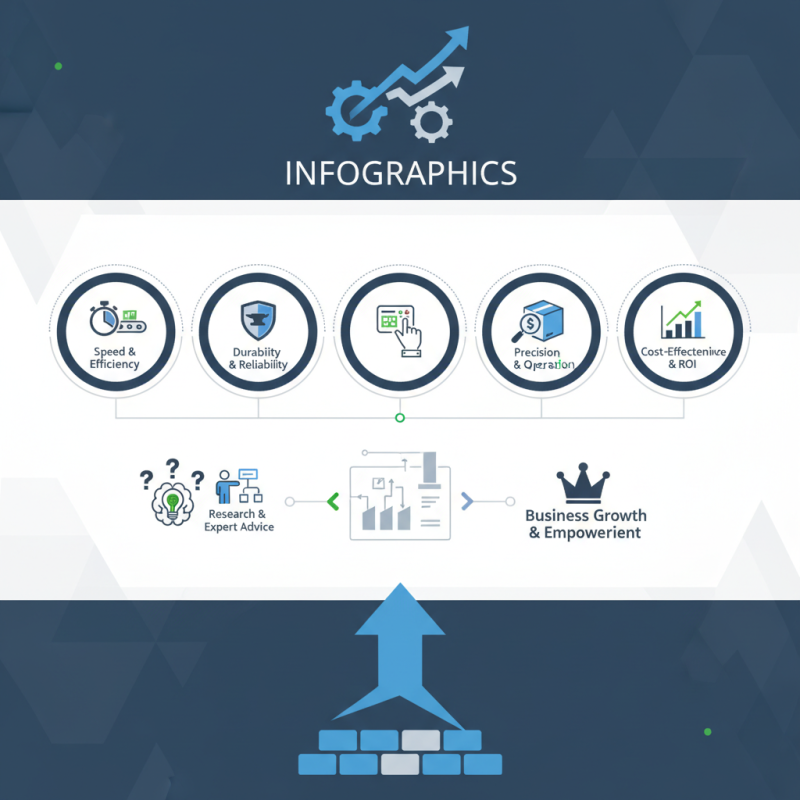
Understanding the various options available can be overwhelming. Some equipment appears more advanced but may not fit all operations. It’s essential to consider factors like speed, durability, and ease of use. Precision in packaging affects customer satisfaction and brand reputation. The right cartoning equipment enhances workflow and minimizes errors.
Investing in quality cartoning equipment builds a reliable production line. However, it’s easy to overlook essential features, leading to costly mistakes. Reflect on your operational goals and requirements. Gathering insights from industry experts can provide clarity. Ultimately, the right choice empowers your business and supports growth.
Understanding the Different Types of Cartoning Equipment Available
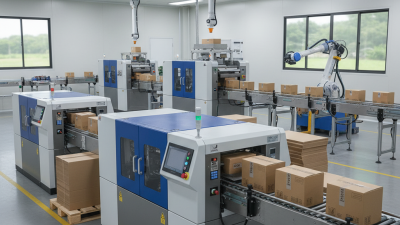
When considering cartoning equipment, it's vital to understand the various types available. The market features automated, semi-automated, and manual systems. Automated solutions are often favored for high-speed production. They can enhance efficiency by up to 30%, based on insights from industry reports. However, these systems may require a significant upfront investment.
Semi-automated and manual cartoners are suitable for smaller operations. They offer flexibility and lower costs. It's important to analyze your production needs. A company producing low volumes might find semi-automated cartoners sufficient. Meanwhile, manuals can be cost-effective for niche products.
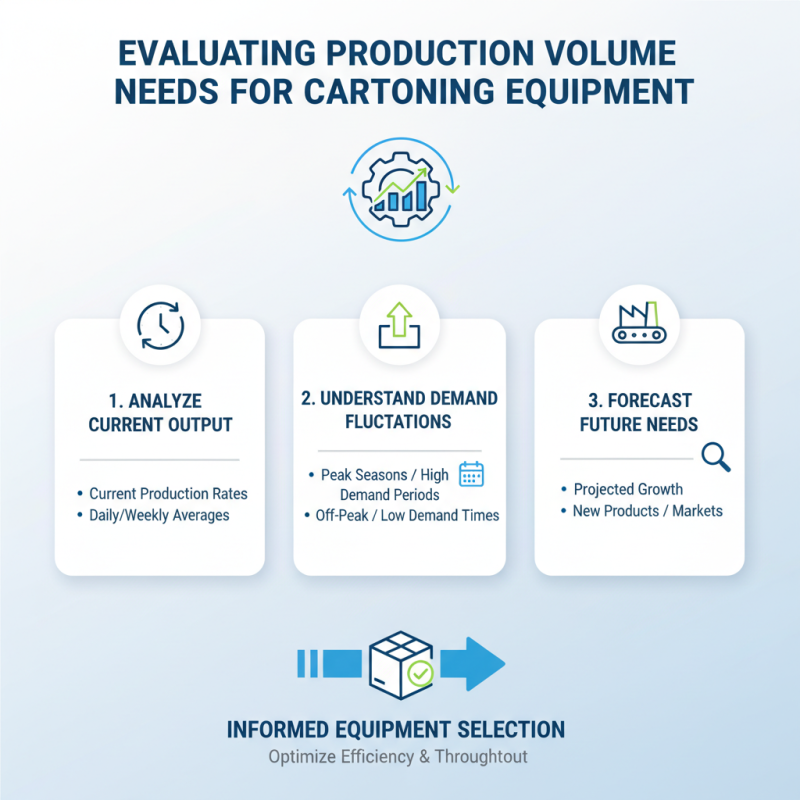
Tip 1: Assess your production volume accurately. This influences the type of equipment that best fits your needs.
Tip 2: Consider space and integration. Ensure the equipment fits well within your existing layout.
Understanding these differences ensures the right choice. Pay attention to the technology and the training required for your team. Investing in the right cartoning solution can impact productivity and overall success. Errors can lead to operational inefficiencies. Reflect on past choices to make informed decisions.
Top 5 Tips for Choosing the Right Cartoning Equipment
Considering the Compatibility with Existing Packaging Lines
When selecting cartoning equipment, compatibility with existing packaging lines is crucial. This consideration impacts not only production efficiency but also overall operational costs. It’s important to assess the dimensions and output capabilities of current systems. A mismatch can lead to bottlenecks, decreased productivity, and increased downtime.
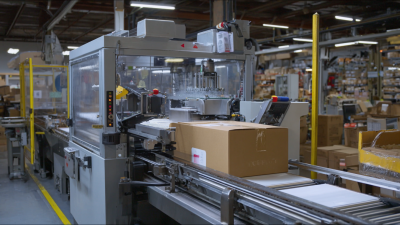
Conducting a thorough audit of your existing equipment is essential. Understand how new cartoning machines will integrate with conveyors, fillers, and other packaging machinery. Look for flexible designs that can adapt easily. Some machines may require extensive modifications, leading to higher expenses and project delays.
Additionally, consult with package design experts to gauge compatibility. Stakeholders should be involved to ensure all aspects of the production line are considered. Sometimes, the most advanced machine may not fit well with current operations. Maintain open communication with suppliers about your specific requirements. This dialogue will help in finding equipment that meets your needs effectively.
Assessing the Reliability and Maintenance Requirements of Equipment
When selecting cartoning equipment, reliability is crucial. Equipment that frequently malfunctions can cause production delays. These interruptions can lead to increased costs and dissatisfied customers. Look for equipment with a proven track record. Seek feedback from other businesses that use similar machines. Their experiences can provide valuable insights into reliability.
Maintenance requirements should also be a key consideration. Each piece of equipment demands varying levels of upkeep. Some may require daily checks, while others might need only weekly or monthly attention. Understand the maintenance schedule before making your choice. Neglecting proper maintenance can lead to serious issues down the line. Regular upkeep can prevent unexpected breakdowns.
Consider the availability of replacement parts. If a specific component fails, quick access to parts can minimize downtime. Investigate how easily parts can be obtained and the potential wait times. A lack of readily available parts can prolong repairs and disrupt your operations. Ultimately, investing time in these assessments can lead to better choices in the long run.
Analyzing Budget Constraints and Total Cost of Ownership
Choosing the right cartoning equipment can be a complex task. It requires careful consideration of not just the purchase price but also the total cost of ownership (TCO). TCO includes maintenance, operation, and potential downtime. Understanding these factors helps in making a more informed decision.
When starting your search, set a clear budget. This helps narrow down choices significantly. Consider both upfront costs and ongoing expenses like energy use and replacement parts. Some equipment may seem cheaper but can lead to higher costs later due to inefficiency. Analyze all potential costs to avoid surprises.
Evaluate the performance and reliability of the equipment. Look for machines that have a track record of durability. Equipment that breaks down frequently will increase operational costs and may impact production schedules. Always ask about warranty and service agreements. Then, you can better calculate the long-term investment.