
CALL US 770-248-9089

What Is Ceremonial Matcha Powder Used For?

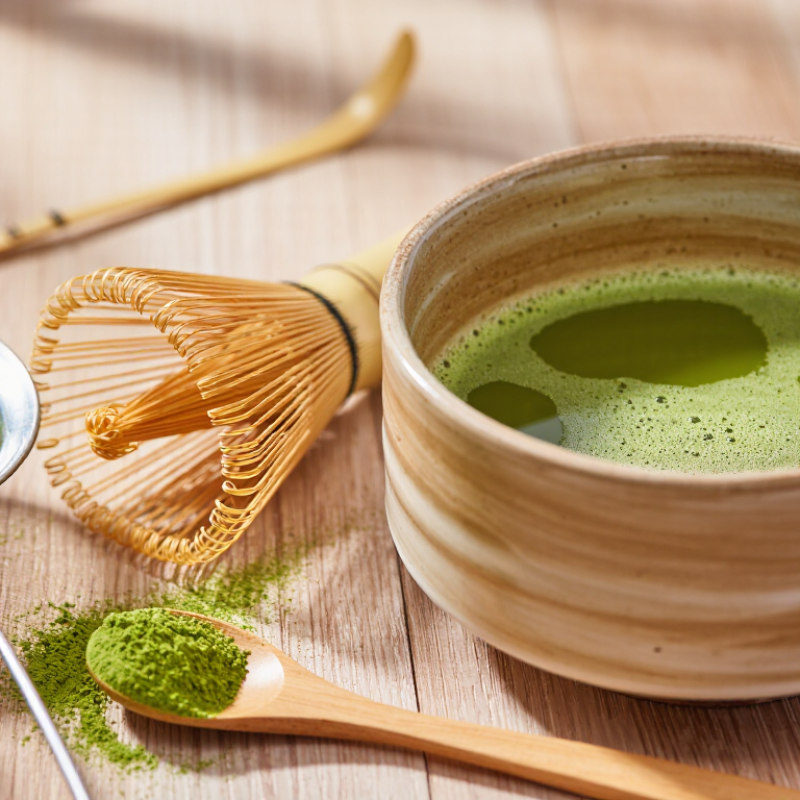
Ceremonial Matcha Powder is most often prepared as a simple drink: sifted into a warm bowl, mixed with water, then whisked until a fine green foam forms. Its role is not limited to formal tea gatherings. At home, people also use it for quiet daily rituals, tasting sessions, and carefully made matcha lattes. The powder’s vivid color and fine texture are easy to notice; its flavor can be grassy, savory, or pleasantly bitter, depending on the tea and preparation.

Market reports help explain the growing attention, though they need careful reading. Grand View Research’s 2024 Matcha Market report separates ceremonial matcha from regular matcha, showing that the category is treated as a distinct product segment. Japan’s Ministry of Agriculture, Forestry and Fisheries recorded green tea exports of about 7,579 tonnes in 2023, worth roughly ¥29.2 billion. Those figures cover green tea broadly, not ceremonial matcha alone. They indicate wider international interest, but cannot tell us what a particular powder tastes like or how it was made.

“Ceremonial” can sound like a fixed quality guarantee. It is not always one. Naming and grading practices vary among sellers, so buyers should check origin, harvest details, ingredient lists, and intended preparation. This article explains what ceremonial matcha is used for, how it differs from culinary matcha, and what to consider when choosing and preparing it. Small details matter. A warm bowl, a fine sieve, and a steady whisk can change the experience—but not every cup needs to be perfect.
What Is Ceremonial Matcha Powder Used For?

What Defines Ceremonial Matcha Powder?

Ceremonial matcha powder is generally intended for drinking with water, rather than being chosen mainly for cooking. The term does not have one universal grading standard, so its meaning can vary between producers. It usually describes finely milled green tea made from carefully selected leaves, often grown under shade before harvest. The leaves are processed to preserve their color and delicate flavor.

Good matcha tends to look bright green and feel soft, almost silky, between the fingers. Its aroma may suggest fresh grass or steamed greens. Whisked with warm water, it should form a smooth, lightly foamy drink with a savory, gently sweet taste. Some bitterness is normal. A dull color or coarse texture may signal age or less careful processing, but appearance alone cannot prove quality. Even experienced drinkers may disagree about the best flavor.

Tips: Use fresh, cool water heated below boiling, and sift the powder to reduce clumps. Whisk briskly in a small bowl until fine bubbles appear. Start with a modest amount; matcha can taste intense. Labels can help, but they are not guarantees. Try a small serving and judge the aroma, texture, and balance for yourself.

How Is Ceremonial Matcha Prepared for Drinking?

Ceremonial matcha is prepared by whisking finely milled tea with water, not steeping it like loose leaves. Sift about 1.5–2 grams into a dry bowl to break up clumps. Heat fresh water to roughly 70–80°C; boiling water can make the drink taste harsh. Add 60–70 millilitres and whisk briskly in a zigzag motion until a fine foam forms. A bamboo whisk works well, though a small electric frother is practical.

The texture should be smooth, with tiny bubbles rather than a thick cap of foam. If the matcha tastes too intense, add warm water gradually instead of adding sugar immediately.

The Japan Ministry of Agriculture, Forestry and Fisheries reported 7,579 tonnes of Japanese green-tea exports in 2023. That figure covers green tea broadly, not matcha alone, but it reflects the wider tea trade behind this preparation tradition.

Tips: Warm the bowl first, then discard that water and dry it. Use a small sieve. Don’t rush the whisking. One easy mistake is pouring in too much water at once; the drink can turn thin, and adjusting it afterward is awkward.

What Role Does Matcha Play in Japanese Tea Ceremonies?

In a Japanese tea ceremony, matcha is not simply served; its preparation helps shape the gathering. The host cleans and arranges the utensils, measures powdered tea into a bowl, and adds hot water. A bamboo whisk blends the mixture into a smooth drink, often with a fine layer of foam. The motions are deliberate, but they are not merely a performance. They show care for the guest and attention to the moment.

The room grows quiet. Guests observe the setting, the bowl, and the host’s movements, while following the customs of the particular tea gathering. Procedures can differ by school, occasion, and season, so there is no single sequence that explains every ceremony. Matcha’s vivid green color and earthy, slightly bitter taste are part of the experience, but so are the bowl’s warmth and the pause before taking a sip. Small details matter.

It is easy to focus only on the powdered tea and miss the human exchange around it. A formal ceremony may seem rigid to a visitor; that first impression can overlook its hospitality. Still, not every gesture will feel meaningful to everyone, and that is worth admitting. Matcha gives the gathering a shared center, while the preparation makes room for quiet attention between host and guests.

How Is Ceremonial Matcha Used in Everyday Drinks?

Ceremonial matcha is finely milled green tea, often chosen for its bright color and delicate, savory flavor. In everyday drinks, its taste is easiest to notice when the recipe stays simple. For a small bowl, sift about one teaspoon of powder into a cup. Add a little warm water, around 70–80°C, then whisk briskly until smooth and lightly foamy. Avoid boiling water; it can make the tea taste harsh. Keep it simple. Drink it as a short, unsweetened tea, or add more water for a gentler cup.

For a matcha latte, first mix the powder with a small amount of warm water to make a smooth paste. Pour in steamed milk, or a chilled milk alternative, and stir. For an iced version, dissolve the matcha before adding cold milk and ice; dry powder tends to float in cold liquid. A small clump is not a disaster, but sifting makes the texture more reliable. Sweeteners can soften matcha’s grassy edge, though too much may hide its subtle flavor. Taste as you go. The right balance depends on the powder, water, and milk, so a little adjustment is normal.

How Should Ceremonial Matcha Be Selected and Stored?

Choose ceremonial matcha by checking freshness, origin, and intended use, not the label alone. “Ceremonial” has no single global grading standard, so seller descriptions can vary. Look for a harvest date, clear origin, and careful storage information. The powder should be finely milled and lively green, with a fresh, grassy aroma. Color helps, but it is easy to overtrust. A dull or yellowish tone may suggest age or poor storage, though lighting can mislead. Japan’s Ministry of Agriculture, Forestry and Fisheries reported 7,579 tonnes of green tea exports in 2023. That figure reflects growing trade, not a quality grade; buyers still need product-specific details.

Keep matcha sealed in an opaque, airtight container, away from heat, light, moisture, and strong odors. A cool cupboard works for an unopened tin. Refrigeration can help after opening, but seal the container well and let it reach room temperature before opening. Otherwise, condensation may dampen the powder. Use small amounts soon after opening; air gradually dulls its aroma and flavor. Watch the surface, too. Clumps can signal moisture, though a clean, dry whisk may break up minor ones. For a single serving, sift the powder into a warm bowl, then whisk with water until fine foam forms. Freshness is subtle, and judging it takes practice.

What Is Ceremonial Matcha Powder Used For? - How Should Ceremonial Matcha Be Selected and Stored?

Topic Practical Guidance Why It Matters
Traditional use Ceremonial-style matcha is primarily prepared as a whisked tea, mixed directly with water and enjoyed without milk or strong flavorings. Drinking it plain lets its aroma, flavor, and texture come through.
Usucha (thin tea) As a starting point, sift about 1.5–2 g of matcha into a bowl, add roughly 60–80 ml of hot water, and whisk until evenly mixed and lightly frothy. Adjust to taste. Sifting helps break up clumps, while whisking disperses the powder throughout the water.
Water temperature Use hot water that has cooled slightly after boiling; around 70–80°C (158–176°F) is a common starting range. Very hot water can make the tea taste harsher or more bitter. Personal preference and the matcha itself also affect the ideal temperature.
Other preparations Matcha can also be used in drinks such as lattes and in recipes. For milk-based drinks or cooking, choose a powder suited to those uses rather than relying on the ceremonial-style label alone. Milk, sweeteners, and other ingredients can mask delicate flavors, so using a premium, delicate powder this way may not make the most of it.
Understand the label The term “ceremonial” does not have one universally regulated grading standard. Check the ingredient list and product details; pure matcha should list green tea powder as its sole ingredient. Labels can vary between sellers, so specific product information is more useful than the grade name alone.
Color and appearance Look for a fresh, vibrant green color and a fine, even powder. Avoid powder that appears dull, yellowish, or unusually coarse. Color and texture can offer clues about freshness and processing, though they cannot prove quality on their own.
Aroma and flavor When possible, choose matcha with a fresh, clean, green aroma and a flavor profile that suits your preference. Excessive mustiness or stale odors are reasons for caution. Freshness, cultivation, processing, and storage all influence matcha’s aroma and taste.
Product information Review the harvest or packing date when available, country or region of origin, storage advice, and package size. Buy an amount you expect to use while it is fresh. Clear details help you compare products and avoid keeping an opened package for longer than necessary.
Before opening Keep the sealed package in a cool, dry, dark place, away from heat, sunlight, and strong odors. Follow the package’s storage directions. Light, heat, oxygen, moisture, and odors can reduce quality or affect flavor.
After opening Close the package tightly after each use and store it away from heat, light, and moisture. If refrigerating, keep the powder in a well-sealed, moisture-resistant container; let the sealed container reach room temperature before opening it. Warm, moist air can condense on cold powder and encourage clumping or quality loss.
Freshness and shelf life Use opened matcha promptly and follow the package’s best-before guidance. Discard it if it develops an off odor, visible moisture, or other signs of spoilage. Matcha generally loses freshness over time, especially after opening; exact storage life depends on packaging and conditions.
Storage note: Always use a clean, dry utensil and reseal the package promptly after scooping.