Top 10 PET Plastic Jar with Aluminum Lid Suppliers
Choosing the right PET plastic jar with aluminum lid supplier requires more than comparing catalog photos and listed prices. The container must protect its contents, survive transport, and present a consistent shelf image. A clear jar may reveal product color beautifully, yet poor wall thickness can cause dents, distortion, or unstable stacking.
This guide introduces ten suppliers serving cosmetics, food, supplements, and household packaging markets. Their capabilities are compared through practical criteria. These include PET resin quality, aluminum lid compatibility, neck-finish accuracy, sealing performance, decoration options, minimum order quantities, lead times, and quality-control procedures. Suppliers with documented testing and responsive technical support deserve closer attention. Samples matter more than promises.
Packaging specialist Patrick Thomas, former Covestro chief executive, has said, “Plastics are too valuable to be thrown away.” His observation reinforces a useful responsibility: buyers should consider material efficiency, recyclability, and realistic end-of-life handling. A PET plastic jar with aluminum lid may combine lightweight protection with a premium appearance, but its mixed-material design can complicate recycling in some local systems.
Supplier rankings are never permanent. Prices change. Factories add equipment. Export conditions shift. That is why this list should support due diligence, not replace it. Request current samples, inspect the lid fit by hand, and test filled jars under vibration and temperature changes. Small defects become expensive at scale. Even experienced buyers can overlook them. These ten suppliers offer a practical starting point for finding reliable partners, while final selection should reflect your product, market, volume, and packaging standards.
PET Plastic Jars with Aluminum Lids: Product Overview and Key Features
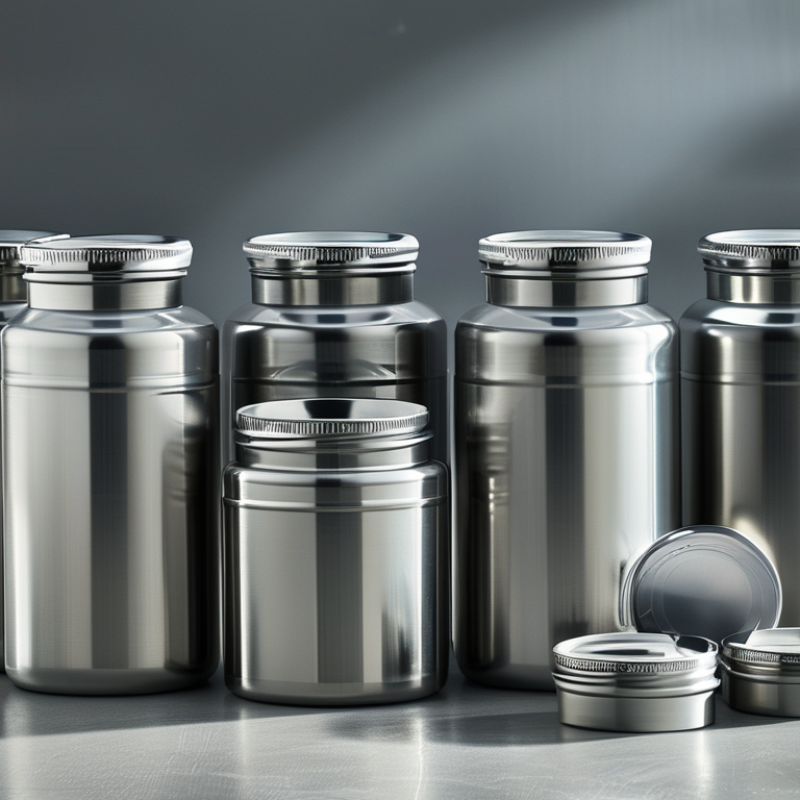
PET plastic jars with aluminum lids combine a clear body with a clean, metallic closure. The format suits creams, powders, supplements, and dry foods. PET offers low weight, strong impact resistance, and useful product visibility. A 250-gram jar can feel substantial without becoming difficult to ship. The aluminum lid adds a premium touch and supports tamper-evident liner options. However, the lid itself does not guarantee freshness. Seal design matters more.
Grand View Research’s 2024 analysis projects the PET packaging market to grow at about 5.2% annually through 2030. That growth increases supplier choices, but also makes technical comparison essential. Request resin specifications, wall-thickness data, closure torque ranges, and migration test results. Check whether the jar tolerates filling temperatures and repeated handling. PET has limited oxygen-barrier performance compared with some multilayer materials. Sensitive formulas may need an additional barrier strategy. Small details matter.
The OECD’s Global Plastics Outlook reported that only 9% of plastic waste was recycled globally in 2019. Therefore, suppliers should disclose recycled-content options, local recycling compatibility, and material identification. I would not treat a glossy finish as proof of quality. Ask for samples, then test them with the actual lid liner and product. A perfect-looking jar can still leak during transport. Supplier reliability comes from repeatable testing, documented quality controls, and honest limitations.
Top 10 PET Plastic Jar with Aluminum Lid Suppliers - PET Plastic Jars with Aluminum Lids: Product Overview and Key Features
Common nominal capacity formats for PET plastic jars with aluminum lids range from compact 100 mL containers to larger 2,000 mL formats. These sizes are widely used for food, cosmetics, supplements, household products, and general packaging applications. PET provides lightweight transparency and impact resistance, while aluminum lids offer a rigid, corrosion-resistant closure option.
How to Evaluate PET Jar and Aluminum Lid Suppliers
When evaluating PET jar and aluminum lid suppliers, begin with material control. Ask for resin grade, recycled content, food-contact declarations, and batch-level certificates. The OECD Global Plastics Outlook reports that packaging creates about 40% of global plastic waste. This makes material transparency more than a purchasing detail.
Inspect samples under real conditions. Fill jars with the intended product, then test leakage, lid torque, liner adhesion, drop resistance, and shelf stability. Request test methods based on relevant ISO or ASTM standards. Check wall thickness at several points, not only the supplier’s average figure. A small variation can affect sealing and appearance. Ask for migration testing when the product touches the package. Also review aluminum coating performance, corrosion resistance, and closure compatibility. The International Aluminium Institute reports that aluminum can be recycled repeatedly without losing its basic material properties. However, recyclability depends on collection, separation, and local infrastructure.
Supplier reliability needs measurable evidence. Review defect rates, corrective-action records, minimum order quantities, tooling ownership, and documented lead times. Request an on-site or independent quality audit before approval. Data should cover at least three production batches. One attractive sample proves very little. A low price may hide inspection costs, delayed shipments, or excessive waste. No checklist is perfect. Seasonal demand, transport damage, and formula changes can still expose weaknesses. I would also ask how quickly the supplier responds when a lid fails in the field. Silence is data, too.
Top 10 PET Plastic Jar with Aluminum Lid Suppliers
The Top 10 PET Plastic Jar with Aluminum Lid Suppliers should be judged by performance, not polished catalogs. Reliable suppliers provide PET jars with consistent wall thickness, clear dimensions, and accurate neck finishes. These details affect filling speed and lid alignment. Ask for resin documentation, production samples, and batch traceability before placing a large order. Small checks prevent expensive surprises.
Experienced suppliers also test the aluminum lid, liner, and jar as one package. A lid may look secure but still leak after transport vibration or temperature changes. Request torque data, seal tests, drop tests, and compatibility results with oils, creams, powders, or other intended contents. Confirm whether the PET material supports the required transparency, color, and shelf-life conditions. Food, cosmetic, and household applications may require different documentation and testing.
Look for suppliers that explain mold fees, minimum order quantities, lead times, and quality inspection methods clearly. Responsive technical support matters when the jar needs a custom shoulder, wider opening, or stronger base. Some suppliers offer attractive prices but provide weak follow-up after sampling. That is a warning sign. My own evaluation would not rely on one successful sample; repeated batches can reveal uneven finishes or loose lids. A practical shortlist should include manufacturers with stable production records, documented inspections, and flexible communication. unerquicklich
Top 10 PET Plastic Jar with Aluminum Lid Suppliers
Anonymized supplier comparison based on commonly published PET jar and aluminum closure configurations
| Rank | Anonymous Supplier Profile | Primary Supply Region | Common Jar Capacities | Typical Neck Finish | Aluminum Lid Configuration | Material and Recyclability | Typical Applications | Documentation Commonly Available |
|---|---|---|---|---|---|---|---|---|
| 1 | Profile A — High-volume packaging producer | East Asia | 100 ml–1,000 ml | Wide-mouth screw neck, 63–100 mm | Plain or printed aluminum lid with liner | PET jar; aluminum lid; widely recyclable components | Nutraceuticals, food powders, personal care | Food-contact declaration, material specification, quality inspection report |
| 2 | Profile B — Custom cosmetic container specialist | East Asia | 30 ml–500 ml | Short wide-mouth neck, 45–89 mm | Anodized, embossed, or color-coated aluminum lid | Clear, translucent, or colored PET with aluminum closure | Creams, scrubs, masks, and body-care products | CAD drawings, decoration samples, coating specifications |
| 3 | Profile C — Food and dry-goods packaging supplier | South Asia | 150 ml–2,000 ml | Deep screw neck, 63–120 mm | Aluminum lid with induction-compatible liner options | Food-grade PET; aluminum closure; liner selected by product | Spices, tea, coffee, supplements, and confectionery | Food-contact compliance statement, migration test information, batch records |
| 4 | Profile D — Small and medium batch manufacturer | Southeast Asia | 50 ml–750 ml | Standard wide-mouth screw neck, 58–100 mm | Silver, gold, black, or white aluminum lid | Virgin or recycled-content PET subject to specification | Private-label food, beauty, and wellness products | Sample approval sheet, packaging dimensions, carton packing details |
| 5 | Profile E — Recycled-content packaging specialist | Europe | 100 ml–1,000 ml | Wide-mouth screw neck, 63–110 mm | Recyclable aluminum lid with standard liner | rPET options may be available; percentage must be specified | Dry food, household care, and personal care | Recycled-content declaration, traceability information, technical data sheet |
| 6 | Profile F — Premium decorated jar supplier | North America | 120 ml–800 ml | Short wide-mouth neck, 63–100 mm | Brushed, polished, or screen-printed aluminum lid | PET body with optional color matching and surface treatment | Premium supplements, cosmetics, and gift packaging | Color standards, decoration approval, dimensional inspection report |
| 7 | Profile G — Industrial and chemical packaging producer | East Asia | 250 ml–3,000 ml | Heavy-duty wide-mouth neck, 89–120 mm | Aluminum lid with chemical-resistant liner options | PET selected for compatible non-hazardous formulations | Powders, granules, laboratory materials, and non-hazardous chemicals | Compatibility statement, closure torque range, leak-test results |
| 8 | Profile H — Pharmaceutical and nutraceutical packaging supplier | Europe | 30 ml–500 ml | Controlled wide-mouth finish, 45–89 mm | Tamper-evident or child-resistant aluminum closure options | Pharmaceutical-grade PET specifications available by project | Tablets, capsules, powders, and health products | Certificate of analysis, change-control procedure, traceability records |
| 9 | Profile I — Sustainable packaging development partner | Oceania and Asia-Pacific | 100 ml–1,500 ml | Lightweight wide-mouth neck, 63–110 mm | Reduced-weight aluminum lid and low-plastic liner options | Lightweight PET or specified recycled-content PET | Food, beauty, wellness, and household products | Packaging optimization report, material declaration, recyclability guidance |
| 10 | Profile J — Flexible OEM and export packaging supplier | South America | 60 ml–1,000 ml | Standard screw neck, 58–100 mm | Plain or printed aluminum lid with gasket liner | PET jar with closure combinations selected by end use | Regional food, cosmetics, supplements, and specialty products | Product specification, packing list, export documents, inspection records |
Note: Supplier names and brand identifiers have been intentionally omitted. Capacity ranges, neck finishes, liner types, and documentation listed above reflect commonly available PET jar and aluminum lid configurations; final specifications should be confirmed through supplier samples and technical documents.
Supplier Comparison by Quality, Customization, and Production Capacity
A practical review of ten PET plastic jar suppliers should weigh quality, customization, and production capacity equally.
Quality begins with resin traceability, wall-thickness control, closure torque, and leak testing. The OECD reported 460 million tonnes of global plastic production in 2019, with packaging creating about 40% of plastic waste. That scale makes process discipline essential, not optional.
For quality, request food-contact documentation, migration-test records, and batch samples before approving a supplier. A clear jar should remain consistent under warehouse lighting, not only in a product photograph.
Customization includes jar volume, neck finish, embossing, color matching, and aluminum-lid compatibility. Suppliers offering mold engineering can shorten revisions, although custom tooling may increase initial costs. My scoring model is imperfect. It may undervalue smaller factories with stronger manual inspection.
Production capacity needs more than a monthly output claim. Compare injection machines, molding cycles, cavity numbers, backup equipment, and inspection staffing.
The 2023 PlasticsEurope report identified packaging as Europe’s largest plastics-use sector, representing 39.3% of demand.
This supports checking whether a supplier can handle seasonal packaging peaks without changing resin grades or lid dimensions. Ask for twelve-month delivery records, rejection rates, and corrective-action reports.
Shortlist suppliers that provide pilot runs, documented quality systems, and realistic lead times. Fast output is useful. Stable output matters more.
Buying Considerations for PET Jars with Aluminum Lids
When comparing the Top 10 PET plastic jar with aluminum lid suppliers, material fit matters more than appearance. PET offers clarity, low weight, and strong impact resistance. However, jar performance depends on wall thickness and molding consistency. Ask for dimensional tolerances, resin specifications, and batch-level certificates.
Check the lid carefully.
Aluminum lids need suitable liners and reliable torque control. A loose closure can cause leakage, while excessive torque may damage the jar neck. Request seal-integrity, drop, vacuum, and compatibility test results using your actual contents. Independent migration testing is also valuable. Do not rely only on a supplier’s brochure; that is an easy mistake.
Environmental evidence should be specific. The 2023 NAPCOR report recorded a 24.9% U.S. PET bottle recycling rate for 2022, showing that collection remains a practical concern. Ask whether recycled PET content is verified, and whether the aluminum lid and liner can be separated during recycling.
The International Aluminium Institute states that recycled aluminum requires about 5% of the energy used for primary aluminum production. That advantage depends on effective recovery systems.
Compare minimum order quantities, tooling ownership, lead times, and traceability records. Request retained samples from each production batch. A polished sample may hide weak threads. Test before committing.