Machine Vision Inspection Benefits for China's Manufacturing Industry?
In recent years, China’s manufacturing industry has faced immense pressure to enhance quality and efficiency. Machine Vision Inspection is emerging as a game-changer. According to a 2022 industry report by MarketsandMarkets, the machine vision market is expected to reach $6.9 billion by 2027. This growth indicates a rising adoption of automated inspection systems in various sectors.
The benefits of Machine Vision Inspection are substantial. For instance, it minimizes human error, which previously accounted for 30% of defects. Automated systems enhance production speeds, ensuring timely deliveries. However, the transition demands careful integration. Challenges include high initial costs and the need for skilled personnel. Some manufacturers may struggle with a steep learning curve.
These factors highlight the importance of a strategic approach. While Machine Vision Inspection offers remarkable benefits, it also requires thoughtful implementation. Companies must reflect on their unique circumstances and resources. Targeting the right technology for specific applications is crucial to avoid pitfalls in this evolving landscape.
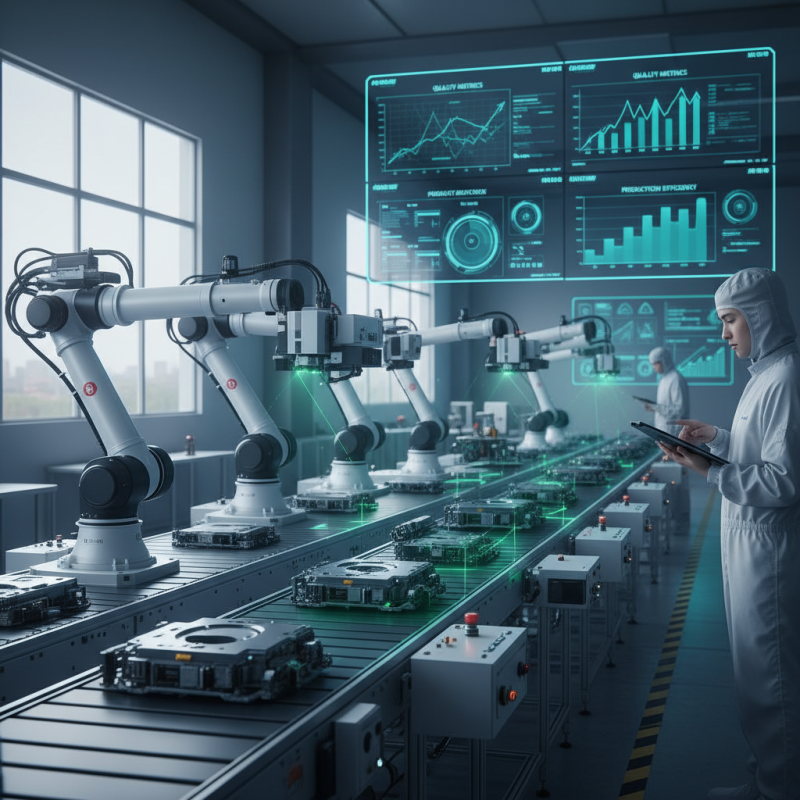
Overview of Machine Vision Technology in Manufacturing
Machine vision technology is transforming the manufacturing landscape in China. This innovative approach uses cameras and artificial intelligence to inspect products. It significantly improves accuracy in quality control. In production lines, machine vision systems recognize defects that might go unnoticed by human eyes. For instance, a camera can detect a small scratch on a surface instantly. This level of detail enhances product quality consistently.
However, implementing machine vision is not without challenges. Companies need to invest in training staff to manage these new systems. Not all employees may adapt easily to the technology. Additionally, there are concerns about the initial setup costs. Some businesses might hesitate, fearing that the return on investment is too slow. Moreover, continuous maintenance is crucial for optimal performance. Without proper upkeep, even the best systems can become less effective.
While machine vision offers numerous benefits, it also brings uncertainty. Companies must evaluate if this technology aligns with their long-term goals. Blindly adopting the latest tools might not yield the desired results. A thorough understanding of one's production needs is essential. Balancing technology and human oversight could lead to the best outcomes in manufacturing.
Advantages of Machine Vision Inspection in Quality Control
Machine vision inspection is revolutionizing quality control in China’s manufacturing sector. With a growing emphasis on precision and efficiency, industries are increasingly adopting this technology. Reports indicate that machine vision can reduce defect rates by up to 30%. This drastic improvement means less wastage and higher customer satisfaction.
Integrating machine vision not only streamlines processes but also offers real-time feedback. This capability helps identify issues promptly. Manufacturers have reported a 25% decrease in rework costs. However, the initial investment in such technology can be daunting. Companies must weigh the costs against potential savings.
Tip: Start small. Implement machine vision in one area before scaling it across the whole operation.
Moreover, while machine vision excels in consistency, it may miss nuanced defects that human inspectors might catch. Thus, a hybrid approach may ensure the best results. Balancing technology and human expertise could enhance quality control further.
Tip: Regularly review the data collected from machine vision systems. This analysis can inform adjustments and improve accuracy.
Impact on Efficiency and Productivity in Chinese Factories
The implementation of machine vision inspection in China’s manufacturing sector significantly enhances efficiency and productivity. A report from the China Machine Vision Industry Development White Paper indicates that using these systems can improve inspection accuracy by over 90%. This high level of precision reduces the rate of defective products. In turn, this leads to savings in materials and labor costs.
Chinese factories adopting machine vision technologies often report a 30% reduction in production time. Workers are less burdened with manual inspection tasks. Yet, some factories face challenges in seamlessly integrating these systems. The initial investment can be substantial. Training employees to handle advanced technology also takes time and resources. The complexity of machine vision systems might overwhelm traditional manufacturing setups.
Moreover, while machine vision can streamline processes, it may create unforeseen issues. There could be technical hitches that disrupt the production line. For instance, software updates may require downtime, affecting output. Assessing the long-term value of this technology becomes crucial. Balancing initial costs with potential gains requires careful planning and strategy.
Machine Vision Inspection Benefits for China's Manufacturing Industry | Benefit | Description | Impact on Efficiency (%) | Impact on Productivity (%) |
| Increased Accuracy | Machine vision systems reduce human error in inspections. | 15 | 12 |
| Faster Production Line | Automation speeds up the inspection process significantly. | 20 | 18 |
| Cost Reduction | Decreased labor costs and material waste. | 10 | 15 |
| Enhanced Traceability | Machine vision enables detailed tracking of production data. | 5 | 10 |
| Improved Quality Control | Consistent quality checks minimize defective products. | 18 | 20 |
Cost-Effectiveness of Implementing Machine Vision Systems
The cost-effectiveness of implementing machine vision systems in China's manufacturing industry is evident. These systems enhance quality control and reduce labor costs. By automating inspection processes, manufacturers can minimize human error. This leads to higher accuracy in detecting defects.
Moreover, machine vision systems can operate continuously without fatigue. This continuous operation can significantly increase productivity. However, the initial investment in technology can be substantial. Companies must weigh this expense against long-term savings.
Training employees to work with new systems is another challenge. Proper training ensures that employees can maximize the potential of these machines. Despite these hurdles, the benefits often outweigh the drawbacks. Investing in machine vision is not just about robots and cameras; it's about rethinking manufacturing strategies.
Future Trends of Machine Vision in China's Manufacturing Sector
The application of machine vision in China's manufacturing sector is rapidly evolving. This technology enhances quality control by automating inspection processes. It uses cameras and artificial intelligence to identify defects in products. Manufacturers can detect issues faster than human inspectors. This efficiency reduces errors and waste in production lines. However, not all factories are equipped to implement these systems seamlessly.
Future trends indicate a shift towards more integrated solutions. Machine vision will work alongside other technologies, such as robotics and data analytics. This integration can lead to smarter production facilities. Yet, the initial investment can be a barrier for some. Not every company can afford these upgrades right away. The learning curve associated with adopting new systems poses challenges as well.
Moreover, the workforce will need re-skilling to adapt to these changes. Employees must understand how to work with advanced systems. There’s a risk of technological unemployment, which raises important questions. How can companies balance automation with human roles? Embracing machine vision must involve thoughtful planning. The outcome should focus not only on efficiency but also on workforce sustainability.