What Is In Pack Machinery and How Does It Work?
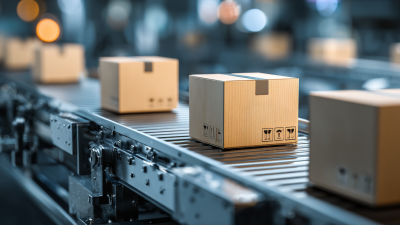
Packaging lines can look complex, but their purpose is practical: protecting products and moving them efficiently. This guide explains what in pack machinery means and how each stage works. The phrase itself can be confusing. It often refers to equipment used inside a complete packaging process, rather than one single machine.
A typical line may include conveyors, fillers, capping units, sealers, labelers, printers, and inspection systems. Products travel through these stations in a controlled sequence. Sensors check position, speed, weight, or package presence. A programmable control system then adjusts timing and rejects unsuitable packs. For example, a liquid filler may deliver a measured volume before a capper applies controlled torque. A sealing unit may use heat, pressure, or ultrasonic energy, depending on the material.
Small details matter.
Operators must confirm clean contact surfaces, correct settings, and stable product flow. Experience shows that many failures begin with simple issues, such as loose belts or incorrect sensor alignment. Regular maintenance reduces downtime and supports consistent output. However, no system is perfect. Materials change, equipment wears, and production conditions vary. This means reliable operation requires observation, testing, and documented checks.
The sections ahead will examine machinery types, operating principles, automation, safety considerations, and maintenance practices. They will also discuss how manufacturers select equipment for different package sizes, materials, and production volumes. Understanding these choices helps buyers ask better questions and avoid costly assumptions.
What Is In-Pack Machinery?
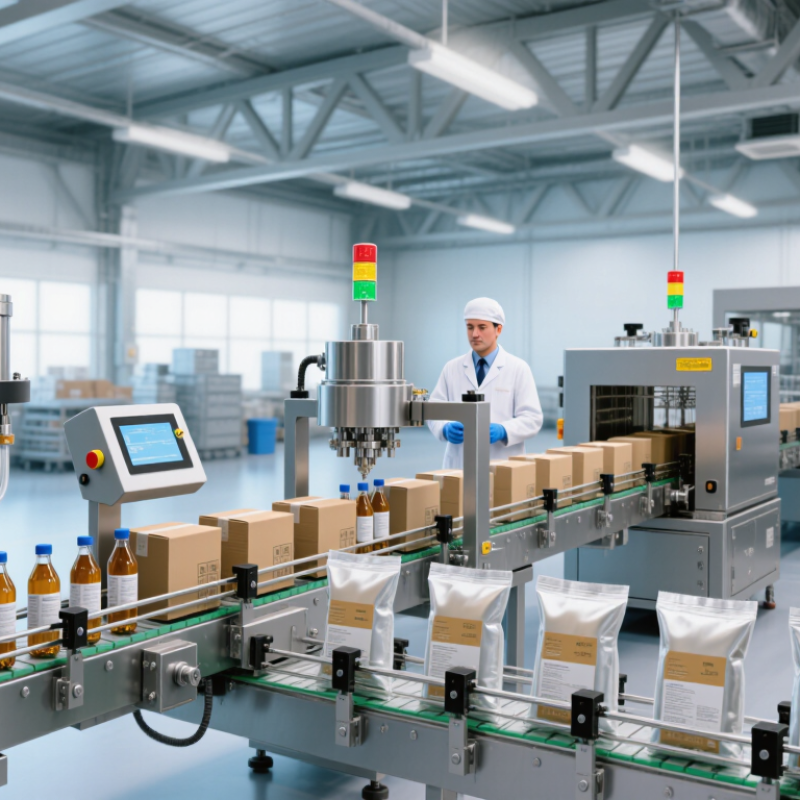
In-pack machinery refers to equipment that performs essential operations during packaging, rather than machinery placed inside a product pack. It can fill containers, measure materials, close seals, apply labels, print codes, and inspect finished packs. On a modern line, sensors detect an arriving pouch or bottle. A controller then coordinates dosing, sealing temperature, conveyor speed, and rejection. Small timing errors can create large waste.
The definition is still slightly loose. Some factories use “in-pack machinery” for filling and sealing units, while others include checkweighers, vision inspection, and case packing. The 2024 Packaging Machinery Shipments Report from PMMI placed recent U.S. packaging machinery shipments above 10 billion dollars annually. Smithers’ global packaging forecasts also show continued growth in packaged food, healthcare, and e-commerce demand. These figures explain the pressure for faster, more flexible machinery. Yet speed alone is not enough. A machine that runs quickly but changes format poorly may lose valuable production hours.
Tips: Check the product’s flow, moisture, size, and seal behavior before choosing equipment. Ask for measured output, not only advertised speed. Test the complete pack on the actual film or container. Record changeover time. It is often overlooked. Operators should also inspect sensors, heaters, and sealing jaws during each shift. Preventive maintenance sounds ordinary, but it protects accuracy and reduces unexpected stoppages. Human judgment still matters, especially when packaging materials vary slightly between batches.
What Is In-Pack Machinery and How Does It Work?
In-pack machinery performs coordinated operations such as filling, sealing, labeling, inspection, and cartoning. The chart shows representative operating-speed ranges commonly found in automated packaging lines; actual performance depends on product type, package format, and machine configuration.
Speed is measured in packs per minute. Filling and labeling systems can reach high throughput, while cartoning generally operates at a lower rate because it involves additional forming, loading, and closing steps.
What Are the Main Types of In-Pack Machinery?
In-pack machinery refers to equipment that fills, forms, seals, labels, and checks packaged products. PMMI reported that North American packaging machinery sales reached approximately $11.3 billion in 2023. That scale reflects strong demand for faster, cleaner, and more flexible lines.
Filling and dosing machines handle liquids, powders, and solid products. Volumetric fillers measure by volume, while weigh fillers target a specific mass.
Form-fill-seal systems create a pouch from film, dispense the product, and heat-seal it in one cycle. Thermoforming machines heat plastic sheets, shape cavities, and seal a lidding film over them. Small temperature changes can still cause weak seals.
Sealing and capping machines close containers with heat, pressure, induction, or threaded caps. Labeling equipment applies pressure-sensitive, wraparound, or sleeve labels. Cartoning and case-packing machines group products for transport. Vision inspection systems then check codes, seal edges, fill levels, and missing labels.
The 2024 PMMI State of the Industry report highlights labor shortages and automation as continuing investment drivers.
However, automation is not automatically better. Poor changeover design can waste materials and increase downtime. Operators still need practical training, especially when product viscosity or package size changes.
How Does In-Pack Machinery Work Step by Step?
In-pack machinery handles products as they move through a packaging line, from filling and closing to inspection. The exact sequence depends on the product and package. A typical line begins with clean, empty containers arriving on a conveyor. Sensors check their position, and guides keep them steady beneath the filling station.
The filling unit measures a set amount into each container. For liquids, a nozzle may descend close to the opening to reduce splashing. For powders or small pieces, a hopper and dosing mechanism control the flow. The filled container then moves to a closing station, where a cap, lid, or seal is fitted. Pressure and temperature settings matter here. Too little pressure can leave a weak seal; too much may deform the package.
Next, conveyors carry sealed packs past inspection equipment. Cameras can check labels and closures, while scales can flag packages outside the target weight. Rejected items are diverted for review rather than sent onward. Operators also watch for jams, residue, or uneven filling. Small problems can build up quickly. A line may look smooth while one sensor is misreading containers, so routine checks still matter. In practice, changeovers take time, and settings that worked for one package may need careful adjustment for another.
Which Industries Use In-Pack Machinery?
In-pack machinery refers to equipment that fills, seals, labels, checks, or protects products inside their packages. A typical line may move containers along a conveyor, dispense a measured amount, apply a closure, and inspect the seal. Sensors monitor position, weight, temperature, and package integrity. Operators still matter. They adjust settings, replace film, and investigate unusual results.
Food and beverage manufacturers use this machinery for pouches, trays, jars, cans, and ready-meal packs. It handles sauces, snacks, dairy products, coffee, and frozen foods. Cleanable surfaces and controlled filling systems help reduce contamination risks. Packaging speed also matters when products have short shelf lives. One poor seal can spoil an entire batch.
Pharmaceutical and medical manufacturers require careful dosing, traceability, and tamper evidence. Cosmetic companies use machinery for creams, liquids, powders, and sample sachets. Chemical producers need strong containers, accurate filling, and leak checks. Electronics and agricultural suppliers also use protective inserts, moisture barriers, and automated counting systems. These lines are not equally suitable for every product. A machine designed for dry powder may struggle with a sticky gel. Changeovers can take longer than expected. In real factories, dust, humidity, inconsistent materials, and human adjustments still affect performance. Careful testing remains essential.
What Is In-Pack Machinery and How Does It Work? - Which Industries Use In-Pack Machinery?
| Industry | Typical Products | Common In-Pack Machinery | Primary Packaging Materials | Typical Process | Key Quality Requirements | Typical Production Scale |
|---|---|---|---|---|---|---|
| Food and Beverage | Snacks, baked goods, frozen foods, sauces, powders, ready meals | Form-fill-seal machines, tray sealers, vacuum packers, case packers, checkweighers | Flexible films, laminates, trays, cartons, pouches, glass or plastic containers | Product dosing, container forming or loading, heat sealing, coding, inspection, and secondary packing | Seal integrity, accurate weight, hygiene, leak prevention, and traceability | Medium to very high volume; often continuous operation |
| Pharmaceuticals | Tablets, capsules, medical liquids, vials, syringes, diagnostic products | Blister machines, bottle filling and capping lines, sachet machines, cartoners, serialization systems | Aluminum foil, PVC or other polymer films, glass, pharmaceutical-grade plastics, cartons | Counting or dosing, filling, sealing, labeling, serialization, vision inspection, and cartoning | Dose accuracy, tamper evidence, contamination control, batch identification, and regulatory compliance | Small to very high volume; frequently automated and validated |
| Medical Devices | Surgical instruments, catheters, implants, test kits, wound-care products | Medical pouch sealers, thermoformers, cleanroom packaging lines, labeling systems | Medical-grade paper, Tyvek-type breathable materials, films, rigid trays, and pouches | Device loading, pouch or tray forming, sealing, inspection, labeling, and sterilization preparation | Sterile-barrier integrity, clean handling, seal strength, lot traceability, and visual inspection | Low to medium volume; high product variability is common |
| Cosmetics and Personal Care | Creams, lotions, shampoos, fragrances, wipes, and sample sachets | Tube fillers, liquid fillers, capping machines, sachet machines, labeling machines, cartoners | Plastic or laminate tubes, bottles, jars, pouches, cartons, and glass containers | Filling, cap or closure application, sealing, labeling, coding, and final packing | Fill-volume accuracy, appearance, closure torque, leak prevention, and clean presentation | Medium to high volume; often includes multiple container formats |
| Household and Cleaning Products | Detergents, cleaners, disinfectants, wipes, and concentrated refills | Liquid fillers, powder fillers, bottle unscramblers, cappers, pouch machines, case packers | HDPE or PET bottles, flexible pouches, films, cartons, and plastic containers | Product metering, filling, closure application, leak testing, labeling, and case packing | Chemical compatibility, accurate dosing, leak resistance, closure security, and label accuracy | Medium to very high volume |
| Agriculture and Chemicals | Fertilizers, pesticides, seeds, soil treatments, and laboratory chemicals | Auger fillers, liquid fillers, drum fillers, bagging machines, sealers, palletizers | Multiwall bags, woven sacks, drums, jerrycans, bottles, and chemical-resistant films | Weighing or volumetric dosing, filling, sealing or capping, labeling, and palletizing | Containment, moisture protection, chemical resistance, accurate weight, and hazard labeling | Medium to high volume; product density and flowability affect machine selection |
| Pet Food and Animal Care | Dry kibble, treats, wet food, supplements, and veterinary products | Multihead weighers, vertical baggers, premade-pouch machines, can fillers, case packers | Laminated bags, pouches, cans, trays, cartons, and plastic containers | Weighing, filling, gas flushing when required, sealing, coding, inspection, and case packing | Weight accuracy, odor and moisture control, seal quality, hygiene, and shelf-life protection | Medium to high volume |
| Industrial Components and Hardware | Fasteners, electrical parts, bearings, fittings, tools, and small assemblies | Counting machines, bagging machines, blister packers, cartoners, labeling and palletizing systems | Poly bags, cartons, plastic trays, blister packs, corrugated cases, and shrink film | Counting or weighing, bagging or tray loading, sealing, labeling, and case packing | Part count, dimensional protection, corrosion prevention, identification, and damage control | Low to high volume; often requires rapid changeovers |
What Factors Matter When Choosing In-Pack Machinery?
In-pack machinery covers equipment that fills, seals, labels, checks, or groups products within a packaging line. A typical cycle feeds containers, measures the product, closes the pack, and verifies output. Sensors track position and reject packs with weak seals or missing labels. The machine only works well when product behavior, packaging material, and line speed match. Small mismatches create large losses.
Choosing equipment starts with the product. Powder, liquid, fragile goods, and sticky foods need different dosing and handling methods. Measure target speed, fill accuracy, pack dimensions, and changeover frequency. A machine rated for 120 packs per minute may slow sharply with awkward formats. Do not trust the headline rate alone. Ask for test runs using your material and real pack sizes. Test it properly.
Hygiene, safety, access, and maintenance deserve equal attention. Look for smooth surfaces, protected electrical areas, tool-free cleaning points, and clear guarding. Check whether operators can reach sensors without unsafe stretching. Utilities matter too. Review air pressure, power demand, floor space, noise, and drainage. Reliable support includes spare-part availability, training, documentation, and response times. Total cost includes downtime, film waste, labor, and recalibration. A low purchase price can become expensive. I would also question overly precise promises. Real production is rarely perfect, and the best choice leaves room for adjustment.
Related Posts
-
Navigating the 2025 Trends in Best Packaging Equipment for Global Buyers to Enhance Efficiency
-
5 Compelling Reasons Your Business Needs the Best Packaging Equipment Today
-
7 Innovative Best Packing Equipment Solutions for Global Buyers
-
5 Essential Tips to Maximize Efficiency with Your Package Machine
-
Top Trends in Pack Machinery for 2025: What to Expect and How to Prepare
-
What Is Pack Machinery and Why Is It Essential for Your Business?