What is Freeze Dried Fruits and How Are They Made?
Freeze Dried Fruits have gained popularity as a healthy snack option. They are fruits that undergo a unique process to remove moisture. This method preserves the taste, color, and nutrients of the fruits. Imagine biting into a strawberry that bursts with flavor, yet is light and crispy.
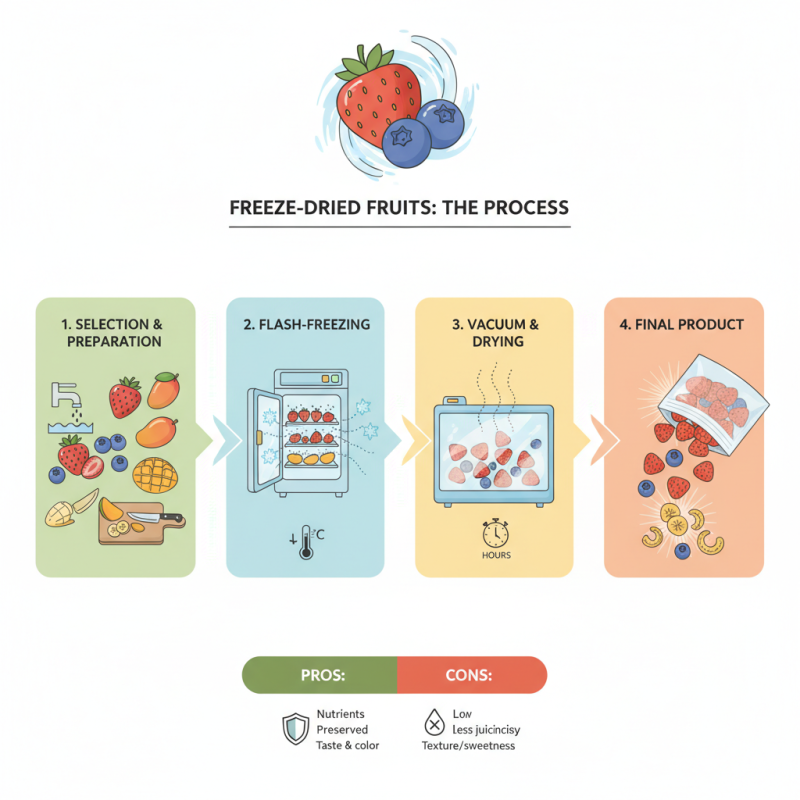
The process of making Freeze Dried Fruits is fascinating. It begins with selecting the ripest fruits, ensuring maximum flavor. After washing and cutting them, they are frozen quickly at very low temperatures. This step is crucial as it locks in the freshness. Next, a vacuum removes the ice from the fruits. This can take several hours.
While Freeze Dried Fruits are convenient, they also have their downsides. Often, they may lack the juiciness of fresh fruits. Some consumers find them too sweet, and others may miss the texture of real fruits. It's essential to consider these aspects when choosing snacks. Making informed choices can lead to a better snacking experience.
What Are Freeze Dried Fruits?
Freeze-dried fruits are a unique way to preserve fresh produce. The process removes moisture, maintaining flavor and nutrients. This technique involves freezing the fruit and then reducing the surrounding pressure. This allows ice to convert directly into vapor, leaving behind dry fruits.
These fruits often retain their vibrant colors and flavors, making them appealing for various uses. They can be added to cereals, smoothies, or snacks. Despite their appeal, texture may change when rehydrated. The outcome isn't always perfect; sometimes, they can be chewy rather than juicy. This transformation sometimes leads to unexpected results in recipes.
Exploring freeze-dried fruits can be intriguing yet challenging. Each type of fruit reacts differently during the process. For instance, strawberries might retain more flavor than bananas. This variance reminds us that not all experiments yield the desired taste or texture. Embracing these imperfections can lead to creative culinary solutions.
The Freeze Drying Process Explained
Freeze-drying fruits is a fascinating process. It removes moisture while preserving flavor and nutrients. The method begins with fresh fruits. These are washed and cut into small pieces. Next, the fruits are frozen at very low temperatures. This step is crucial for maintaining the shape and taste.
After freezing, a vacuum is applied. This creates low pressure, allowing ice to turn directly into vapor, bypassing the liquid state. This process is called sublimation. The result is light and crispy fruit pieces with concentrated flavors. They can be enjoyed as snacks or added to various dishes.
However, the process is not without challenges. Maintaining the right temperatures is vital. A slight change can affect texture. Additionally, achieving the ideal vacuum level requires precision. Even small mistakes can lead to unsatisfactory products. This complexity makes freeze-drying a delicate art. Despite its intricacies, the allure of vibrant, fruity flavors remains compelling for many.
Freeze Dried Fruits Nutritional Comparison
Benefits of Consuming Freeze Dried Fruits
Freeze dried fruits offer a convenient and nutritious way to enjoy fruits year-round. The process involves removing moisture from fresh fruits through sublimation. This retains most of the fruit’s vitamins, minerals, and flavor. According to a report by the Food and Agriculture Organization, dried fruits maintain about 70% of their original nutrients compared to traditional drying methods.
Consuming freeze dried fruits has various benefits. They are lightweight and portable, making them ideal for snacks on the go. Nutritional studies indicate that freeze dried fruits still contain high levels of antioxidants. These compounds are important for fighting oxidative stress. A research published in the Journal of Nutritional Science shows that antioxidants can improve heart health.
However, mindful consumption is essential. Freeze dried fruits can pack a concentrated energy punch. Many people overlook portion sizes. Though they are healthy, overindulgence can lead to excess sugar intake. It's important to balance these treats with fresh fruits. Incorporating a variety of fruit forms can enhance overall health.
Common Freeze Dried Fruits and Their Uses
Freeze-dried fruits have gained popularity for their versatility and nutritional benefits. Common types include strawberries, apples, and bananas. These fruits retain most of their vitamins and minerals during the freeze-drying process. According to a 2021 report by the Food and Agriculture Organization, freeze-dried fruits can retain up to 90% of their nutrients. This makes them an excellent choice for a healthy snack.
Strawberries are often used in cereals and granola bars. They add flavor without extra sugar. Apples, being rich in fiber, are commonly incorporated into baking recipes. They enhance texture and sweetness. Bananas are a great addition to smoothies or trail mixes. Their convenience makes them an easy option for on-the-go consumption. However, some may find the texture of freeze-dried fruits less appealing. It can feel brittle compared to fresh fruits.
Interestingly, the market for freeze-dried fruits is on the rise. A study by Grand View Research reported a compound annual growth rate of 7.1% in this sector. This trend reflects a growing awareness of healthy eating habits. Consumers are shifting towards natural and nutritious snacks. Yet, there is still room for improvement in consumer education regarding the different uses and benefits of freeze-dried fruits.
How to Store and Use Freeze Dried Fruits
When it comes to freeze-dried fruits, proper storage is key to maintaining their quality. These fruits, stripped of moisture, are incredibly lightweight and maintain most of their nutrients. Store them in airtight containers to protect against moisture. Glass jars or vacuum-sealed bags work well for this. Avoid placing them in warm or humid areas. Instead, choose a cool and dark location.
Using freeze-dried fruits is versatile. They can be rehydrated with water. This makes them perfect for smoothies or baking. Simply soak them for a few minutes, and they’re ready to use. For a quick snack, enjoy them straight out of the container. The crunchiness makes them a delightful treat. Regrettably, some may find their taste slightly different from fresh fruits. It’s important to experiment to find what works best for your palate. Adding them to cereal or yogurt can enhance flavor.
Consider also that over time, even stored freeze-dried fruits may lose some flavor. Monitoring their shelf life is essential. Keep an eye out for changes in taste or color. Small signs often reveal larger issues with storage conditions. Ultimately, enjoy the perks of freeze-dried fruits while being mindful of proper usage and storage.