What Are the Best Gas Barrier Properties for Packaging Materials?
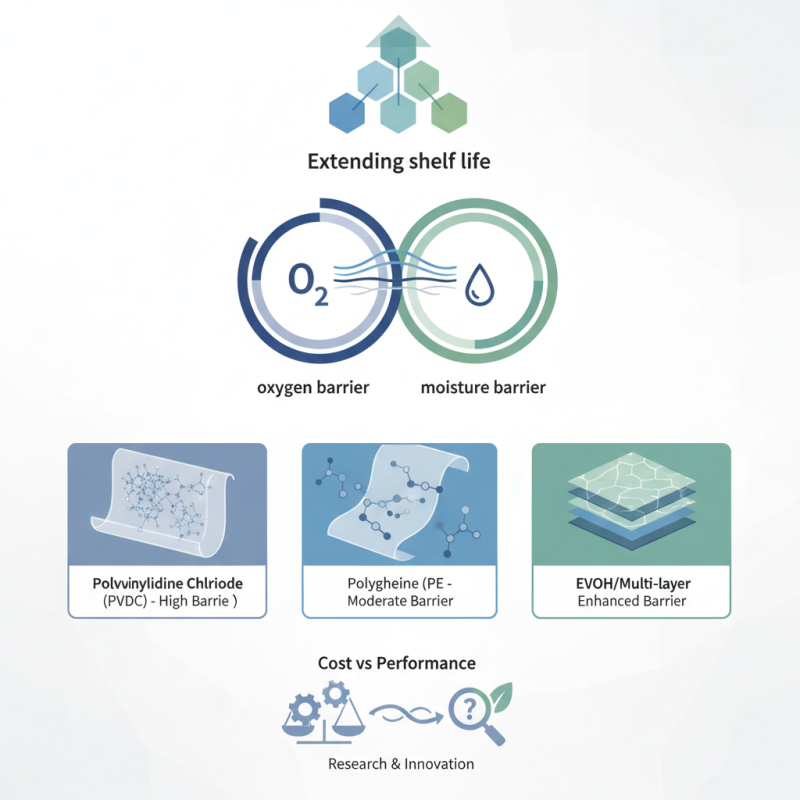
In the world of packaging, Gas Barrier Properties play a crucial role in extending product shelf life. Effective packaging must prevent gas exchange, which can lead to spoilage. The right materials ensure freshness and maintain quality throughout the distribution process.
Gas barrier properties vary significantly among different materials. For instance, plastics like polyethylene and polyvinylidene chloride show differing resistance to oxygen and moisture. Understanding these properties is essential for selecting packaging that meets specific product requirements.
Packaging engineers often face challenges when balancing cost and performance. Not all materials provide the same level of gas barrier protection. Thus, continuous research and innovation are necessary to enhance these properties. Analyzing various options helps in making informed decisions.
Importance of Gas Barrier Properties in Packaging Materials
Gas barrier properties are crucial in packaging materials. They determine how well a package can protect its contents from external gases, moisture, and odors. According to a report by Smithers Pira, effective gas barriers can enhance product shelf life by up to 50%. This is vital for products like food and pharmaceuticals, where freshness and sterility are non-negotiable.
Materials with excellent gas barrier properties can significantly reduce spoilage and maintain quality. For instance, polyethylene, while widely used, has poor barrier properties compared to alternatives like ethylene vinyl alcohol (EVOH) or polyvinylidene chloride (PVDC). These materials can provide oxygen transmission rates as low as 0.1 cm³/m²/day—critical for maintaining the integrity of sensitive products.
Yet, even the best materials aren't foolproof. They may still allow some gas permeability over time. Factors such as temperature, humidity, and material thickness can all influence performance. Manufacturers must continually assess gas barriers to avoid potential degradation. A one-size-fits-all approach does not exist. Adapting to specific product needs remains essential for effective packaging solutions.
Key Characteristics of Effective Gas Barrier Packaging
In packaging, gas barrier properties are crucial for maintaining product integrity. Effective gas barrier materials minimize the permeability of gases like oxygen and moisture. Research shows that oxygen barriers can reduce spoilage by up to 70%. This reduction is vital for products like food and pharmaceuticals.
Key characteristics of effective gas barrier packaging include thickness and material choice. Thicker films often provide better protection against gases. Materials such as polyethylene (PE) and polyvinylidene chloride (PVDC) exhibit excellent barrier properties. A report by Smithers Pira indicates that the demand for barrier packaging is expected to grow by 5.5% annually. This reflects the need for quality preservation throughout the supply chain.
Despite advancements, there remain challenges. Some biodegradable materials offer lower gas barrier properties. These materials may decompose too quickly, compromising product shelf life. Attention must be paid to finding a balance. Effective packaging cannot sacrifice performance for sustainability without careful consideration. Innovations are ongoing, though, pushing the limits of what is possible in gas barrier technology.
Gas Barrier Properties of Packaging Materials
This chart depicts the gas barrier properties of various packaging materials, highlighting their effectiveness in preventing gas permeation. The materials included are PE, PET, PVDC, and EVOH, each with varying levels of permeability.
Industry Standards for Gas Barrier Performance Measurement
When assessing gas barrier properties for packaging materials, various industry standards come into play. These standards help measure the permeability of materials to gases like oxygen and carbon dioxide. A commonly used standard is ASTM F1249, which evaluates the moisture vapor transmission rate. This test informs manufacturers about a material's ability to prevent moisture loss, crucial for maintaining product integrity.
Tips: Always consider the specific requirements of your product. Different items may need varying levels of barrier performance. For instance, perishable goods often require superior gas barrier properties compared to dry snacks.
Another notable standard is ISO 15105, which helps in measuring the gas permeability of plastic films. By adhering to these standards, manufacturers ensure that their packaging materials meet the expectations for quality and performance. However, not all materials will perform equally well across different gas types. This inconsistency highlights the importance of thorough testing.
Tips: Regularly review and refine your testing methods. Being open to adjustments can significantly enhance the quality of your packaging solutions. Remember, effective gas barrier properties can lead to longer shelf life and better customer satisfaction.
What Are the Best Gas Barrier Properties for Packaging Materials?
| Material | Oxygen Transmission Rate (OTR) (cm³/m²/day) | Water Vapor Transmission Rate (WVTR) (g/m²/day) | Carbon Dioxide Transmission Rate (CTR) (cm³/m²/day) | Applications |
| Polyamide (PA) | 1.5 | 0.5 | 6.0 | Food & Beverage |
| Polyethylene Terephthalate (PET) | 0.5 | 1.0 | 3.0 | Medical & Pharmaceutical |
| Ethylene Vinyl Alcohol (EVOH) | 0.01 | 0.01 | 0.5 | High Barrier Applications |
| Polyvinyl Chloride (PVC) | 0.2 | 1.5 | 2.0 | Construction & Electronics |
| Aluminum Foil | 0.0 | 0.0 | 0.0 | Food Packaging |
Comparison of Gas Barrier Materials: Plastics, Glass, and Metals
In the packaging industry, gas barrier properties are critical for preserving product quality. Common materials like plastics, glass, and metals each offer unique advantages and drawbacks in this category. Plastics, for example, are lightweight and versatile but may lack the high barrier performance required for certain products. Studies suggest that barrier films, such as polyvinylidene chloride (PVDC), can reduce oxygen transfer rates to as low as 0.03 cm³/m²·day, but their moisture barrier properties are not as robust.
Glass packaging excels in gas barrier performance, providing almost impermeable characteristics. Its oxygen transmission rate can be as low as 0.001 cm³/m²·day. However, its fragility poses handling issues during transportation. Additionally, glass can be more expensive than other materials, making it less favorable for some manufacturers.
Metals offer a middle ground. Aluminum foil provides excellent barrier properties, minimizing both oxygen and moisture ingress. It can reach oxygen transmission rates lower than 0.05 cm³/m²·day. Yet, the recyclability of metal can present concerns due to energy-intensive recycling processes. The choice of material should reflect not only barrier needs but also economic and environmental impacts, highlighting the complexity of packaging decisions.
Emerging Technologies Enhancing Gas Barrier Properties in Packaging
Gas barrier properties are essential for effective packaging materials. They protect products from oxygen, moisture, and other gases. Emerging technologies are continually enhancing these properties, creating new opportunities for various industries.
One notable advancement is the use of biodegradable polymers blended with traditional plastics. These materials can significantly improve barrier performance while being environmentally friendly. Innovative coatings are also making waves. They form ultra-thin layers on packaging, making them impermeable to gases. These coatings often use nanomaterials, which can drastically alter gas permeability.
Another exciting development is the incorporation of intelligent packaging solutions. These include sensors that detect changes in gas levels. They help in monitoring the freshness of the product. However, many companies still struggle with the cost of implementing these technologies. It raises a question about the balance between sustainability and affordability. As the industry evolves, ongoing research will provide insights into optimizing these gas barrier solutions.