CALL US 770-248-9089

2026 Top Doy Pack Machine Types for Global Buyers?

Global buyers need more than a fast machine. They need a reliable fit between product, pouch, factory, and market. This 2026 guide examines the leading doy pack machine types for different production goals. It considers premade-pouch systems, horizontal form-fill-seal machines, rotary models, and continuous-motion designs. Each type offers practical advantages. Each also creates compromises.

Packaging consultant Kevin Howard states, “A machine is only as good as the process around it.” That principle deserves attention. A rotary doy pack machine may suit high-volume snacks, sauces, or powdered products. An intermittent model can provide greater flexibility for frequent pouch-size changes. Spout, zipper, vacuum, and gas-flushing options add value, but they also increase maintenance demands. Buyers should inspect sealing temperature control, filling accuracy, changeover time, cleaning access, and spare-parts support.

Real factory conditions matter. Product dust can affect seals. Sticky sauces can slow filling. Uneven film tension can produce wasted pouches. These details often matter more than impressive speed figures. Sometimes, a slower machine performs better.

This overview also considers automation, operator training, energy use, and regional service coverage. Certifications and technical documentation should be verified with qualified specialists before purchase. No universal ranking exists. A compact machine may outperform a larger system when floor space is limited. That is an uncomfortable point, but it is commercially important. The best doy pack machine is the one that protects product quality, supports consistent output, and remains practical after installation.
2026 Top Doy Pack Machine Types for Global Buyers?

What Is a Doy Pack Machine and How Does It Work?

What Is a Doy Pack Machine and How Does It Work?

A doy pack machine fills and seals stand-up pouches with a flat bottom and angled side seals. Unlike many vertical form-fill-seal systems, it commonly processes premade pouches. The machine opens each pouch, checks its position, adds the product, removes trapped air, and creates a controlled heat seal. Some models also install zippers, spouts, or tear notches. The pouch then stands upright like a small shelf container.

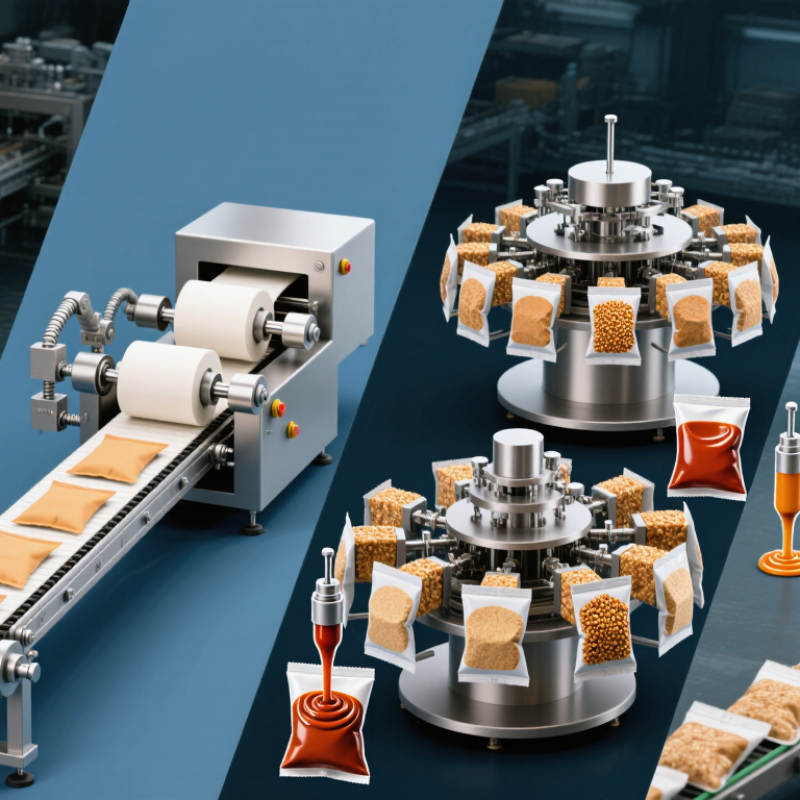
Most systems use rotary stations for higher output, while inline machines suit smaller factories and frequent product changes. Rotary equipment can include pouch feeding, opening, filling, sealing, cooling, and discharge stations. Product behavior matters. Powder may bridge inside the pouch, while liquid can contaminate the seal area. Granules need accurate dosing and gentle handling. Small errors become visible quickly.

Smithers’ The Future of Flexible Packaging to 2028 forecasts the global flexible packaging market to exceed US$300 billion by 2028. Grand View Research also reported strong growth in stand-up pouch demand, supported by convenience and material efficiency. These figures explain buyer interest, but they do not guarantee machine performance.

A supplier’s test should use the real pouch film, product, fill weight, and sealing temperature. That is essential. In practice, a faster machine may create more rejects if feeding is unstable. Buyers should examine seal strength, oxygen control, changeover time, and cleaning access. The “best” machine is often not the fastest one.

How to Classify Doy Pack Machines by Packaging Process

2026 Top Doy Pack Machine Types for Global Buyers

Doy pack machines are best classified by how they handle the package, product, and sealing process. Premade pouch machines open finished bags, fill them, and seal their tops. They suit products needing clean presentation, such as snacks, powders, pet food, and household items. Operators can inspect the pouch before filling. This reduces errors, but pouch loading requires steady alignment.

Form-fill-seal machines create bags from roll film. They form the pouch, dose the product, and seal it in one connected cycle. These systems often reduce packaging material costs and support higher output. They may handle granules, liquids, powders, or mixed products with different dosing units. Film tension matters greatly. A small adjustment can affect seal strength and pouch shape.

Process-based classification also includes vacuum, gas-flushing, zipper, and spout configurations. Vacuum systems remove air before sealing, while gas flushing changes the internal atmosphere for suitable products. Zipper units improve resealing convenience, but they add alignment and inspection points. Spout systems support controlled pouring for liquid or semi-liquid contents. In practice, one machine can fit several categories. The classification is useful, not perfect. Buyers should test the actual product, film, filling weight, and sealing temperature before approval. A short factory trial often reveals problems that a brochure cannot.

Key Doy Pack Machine Types for Different Product Categories

Choosing a doypack machine by pouch size alone is a costly mistake. Product behavior matters more. Mordor Intelligence’s 2024 Stand-Up Pouches Market report estimates the market at about US$29.5 billion in 2024. It projects approximately US$39.3 billion by 2029. That growth favors adaptable equipment, not one universal platform.

For snacks, nuts, and frozen foods, rotary premade-pouch machines paired with multihead weighers provide accurate, gentle filling. Servo-controlled sealing helps protect fragile zipper tracks. Gas flushing can support freshness when the product requires it.

Powder products need auger fillers, dust extraction, and stronger sealing pressure. Flour and protein powder behave differently. Testing is essential.

For sauces, oils, and other liquids, piston or servo pump fillers offer better volume control. Anti-drip nozzles reduce messy seals and rejected pouches.

Pet food and granular products often require reinforced grippers, wider opening systems, and heavier-duty sealing stations. Personal-care products may need clean filling areas and narrow dosing tolerances.

PMMI’s 2024 Packaging Machinery Trends and Advances report highlights flexibility, automation, and faster changeovers as important purchasing priorities.

However, changeover claims can look optimistic in brochures. Real production trials often reveal cleaning delays, unstable film, or operator training gaps. A practical buyer should test the exact product, film structure, pouch dimensions, and target speed before approving a machine. Small details matter.

How to Compare Automation, Speed, and Filling Accuracy

2026 Top Doy Pack Machine Types for Global Buyers?

How to Compare Automation, Speed, and Filling Accuracy

Doypack machines differ sharply in automation, output, and control. Semi-automatic models suit smaller runs, but they require more operator handling. Fully automatic systems connect pouch feeding, filling, sealing, and inspection in one line. According to PMMI’s 2024 State of the Industry report, labor shortages remain a major reason manufacturers invest in packaging automation. That pressure is real. However, automation does not automatically guarantee better production.

Speed must be measured under working conditions, not only in brochures. A machine rated at 60 pouches per minute may slow down with thick products, frequent format changes, or unstable pouch dimensions. Compare tested output using your actual pouch size and product viscosity. The flexible packaging market reached about USD 254.92 billion in 2022, according to Fortune Business Insights. This growth increases demand for reliable pouch equipment, but speed alone can create waste.

Filling accuracy deserves closer attention. Check the dosing method, weighing feedback, calibration process, and reject system. For powders, auger fillers may perform differently from multihead weighers. For liquids, pump control and anti-drip design matter. Ask for production samples.

Real evidence matters.

A machine can run quickly but deliver inconsistent weights. That weakness becomes expensive through product giveaway and customer complaints. Global buyers should compare changeover time, cleanability, data records, and actual accuracy results. Some specifications remain optimistic. Independent testing is still worth the extra day.

What Global Buyers Should Check Before Selecting a Machine

When global buyers compare top doypack machine types for 2026, application fit matters more than advertised speed. Rotary premade-pouch machines work well for flexible production and frequent pouch changes. Vertical form-fill-seal systems may suit standard pouch sizes and higher output. Multi-lane machines can increase capacity, but they demand precise film control and stronger operator skills.

What Global Buyers Should Check Before Selecting a Machine

Start with the product. Powder, liquid, granules, and sticky foods behave differently during filling. Ask for a live test using your actual product, pouch film, and target weight. Check fill accuracy, seal strength, dust control, and rejected pouch rates. A clean seal is essential. Review the machine’s pouch range, changeover time, dosing method, and maximum film thickness. Confirm electrical requirements, compressed-air use, floor space, and noise levels before purchase.

Speed figures need careful reading. They often represent ideal conditions, not daily factory performance. In equipment evaluations, small details can cause delays, including weak sensors, difficult cleaning points, or slow recipe changes. Request maintenance records, spare-part lead times, training plans, and remote support terms. Ask whether operators can adjust temperature and sealing pressure safely. Visit an operating installation if possible. A lower purchase price may create higher labor costs later. I have seen buyers overlook this. That mistake is expensive. Include packaging compliance, worker safety, documentation, and local service capability in the final assessment.